Restaurant Secrets for Perfect Drunken Noodles
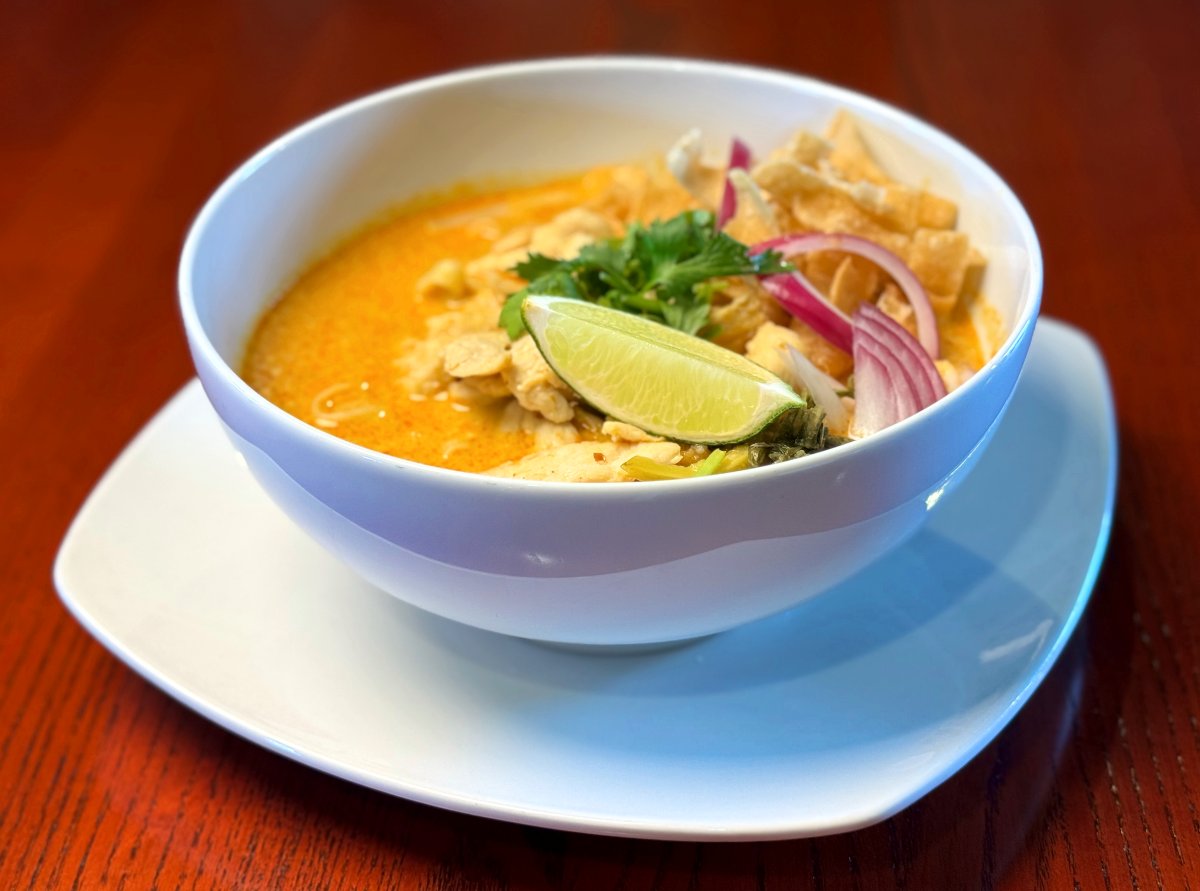
Walk into a busy Thai restaurant at the height of dinner service and order Drunken Noodles, and what arrives at the table usually looks effortless. The noodles are glossy but not greasy. The vegetables still have bite. The sauce tastes layered rather than merely salty. The heat blooms in stages. Most home versions miss that balance by a mile, not because the recipe is mysterious, but because restaurant cooks handle the details differently.
I have watched line cooks turn out plate after plate of Drunken Noodles with the kind of precision that only comes from repetition. The dish moves fast, but it is never casual. Every component is prepped to suit high heat. The sauce is mixed before the wok fires. The noodles are handled with restraint. Basil goes in at the last possible moment. What looks like improvisation is actually discipline.
If you want restaurant-level Drunken Noodles at home, the secret is not a single magic ingredient. It is understanding how the dish behaves under heat and learning where small choices create big differences.
What Drunken Noodles is supposed to taste like
A strong plate of Drunken Noodles, often made in the style of pad kee mao, should hit several notes at once. It should be savory first, with sweet and salty elements supporting the sauce rather than dominating it. Fresh chilies should provide a bright, direct heat, not a blunt burn. Garlic should smell toasted but not browned to bitterness. Thai basil should perfume the whole plate with a faint licorice edge. The noodles should taste smoky in spots, soft but not mushy, and slick enough to slide apart rather than clump.
That last point matters more than most people realize. Many home cooks chase the sauce and ignore texture. In restaurants, noodle texture is often the make-or-break factor. A dish can have a decent sauce and still disappoint if the noodles are bloated, broken, or waterlogged.
There is also a common misunderstanding about the name. Drunken Noodles are not actually made with alcohol in Additional hints most versions. Theories about the name vary, from the idea that the dish pairs well with drinking to the suggestion that its spice wakes up a dulled palate. Whatever the origin, the practical lesson is simple: this is a bold, fast-cooked noodle dish, and timid seasoning rarely works.
The first restaurant secret: noodle choice matters more than the recipe
Restaurants that make memorable Drunken Noodles usually start with wide rice noodles. Fresh wide rice noodles are ideal because they have a supple texture and a slight elasticity that dry noodles struggle to match. When fresh noodles hit a hot wok, they absorb sauce on the surface while staying tender inside. Dry noodles can still work, but only if cooked with care.
A common home mistake is boiling dry rice noodles until they seem fully done in the pot. That leaves no margin for the stir-fry. By the time the noodles finish in the wok, they collapse. Restaurants usually undercook noodles slightly, then let the final toss in sauce complete the job. That is how they stay springy.
Fresh noodles present a different challenge. They often arrive stuck together in firm sheets. If you pull them apart aggressively, they tear. Restaurant cooks usually loosen them gently by hand, sometimes with a few drops of oil, sometimes by warming them briefly so the starch relaxes. They do not soak fresh noodles in water and they do not manhandle them in the pan.
If you have access to fresh rice noodles, buy them. If you are using dried wide rice noodles, soak or boil just to the point of flexibility, then drain and cool them before stir-frying. A minute too long in hot water can be the difference between restaurant quality and a gummy heap.
Heat is not optional
Many home recipes promise wok hei, that faint charred aroma associated with high-heat stir-frying, but most domestic burners cannot truly replicate what happens over a commercial wok range. That is the bad news. The good news is that you can still get far closer than most people think if you stop overcrowding the pan and accept smaller batches.
In restaurant kitchens, the wok is hot before the oil goes in. Not warm, not moderately heated, properly hot. Ingredients are added in a sequence that respects that heat. Protein sears quickly. Aromatics flash through before scorching. Sauce hits the metal and reduces almost instantly. Noodles are tossed just long enough to absorb flavor and pick up a little color.
At home, people often use a large pan, add everything at once, and let the ingredients steam. The result tastes flat. Moisture is the enemy of wok flavor. Vegetables dump water, noodles release starch, and suddenly the pan temperature crashes. Instead of a stir-fry, you get a slick stew.
This is why restaurant portions look generous but are often cooked in surprisingly compact batches. Even in a busy service, cooks work within the capacity of the wok. If you are cooking for four, you may need to stir-fry in two rounds. That feels inconvenient, but it is one of the most important professional habits you can borrow.
Sauce is built, not dumped
Another difference between restaurant and home cooking is how the sauce is handled. In a professional setup, the sauce is usually mixed in advance. That sounds obvious, yet plenty of home cooks still reach for bottles one by one while garlic burns in the pan.
Drunken Noodles sauce tends to rely on a few key elements: soy sauce for salinity and color, oyster sauce for body, fish sauce for depth, and a touch of sweetness to round the edges. Some cooks use dark soy in tiny amounts for deeper color. Others lean more heavily on fish sauce and keep the soy restrained. There is room for style here, but balance matters.
The sauce should taste slightly too strong before it hits the noodles. That is another restaurant principle worth remembering. The noodles are a sponge. If the sauce tastes perfectly balanced in the bowl, it may taste muted in the finished dish. Professionals compensate for dilution in advance.
This does not mean the dish should be salty. It means the sauce should be concentrated enough to survive contact with bland starch, fresh vegetables, and any moisture left in the pan. The amount of liquid should also stay modest. Restaurants do not flood Drunken Noodles. They coat them.
Aromatics and chilies need timing, not just quantity
People often treat garlic and chilies as if more is always better. In practice, the timing matters just as much as the amount. Garlic that cooks too long turns harsh. Chilies added too early can toast unevenly and become bitter. Chilies added too late Drunken Noodles may taste raw.
In many restaurant kitchens, chopped garlic and fresh chilies go in after the oil is hot and just before the main bulk of ingredients. They hit the wok long enough to bloom, not long enough to darken. The cook is after fragrance, not crunch. You should smell the garlic clearly, but it should still taste sweet at the edges.
The same principle applies to white pepper if you use it. White pepper contributes a dry, nasal heat that is common in many Southeast Asian stir-fries. It is useful, but easy to overdo. A light hand gives the dish lift. A heavy one muddies the fresh chile heat.
Bird's eye chilies are traditional in many versions, but not every diner wants that level of intensity. Restaurants know this and often adjust heat based on the customer or the house style. Home cooks should do the same. Perfect Drunken Noodles are not necessarily the hottest ones on the table. The heat should sharpen the sauce, not flatten your palate.
Vegetables are there for contrast
Good Drunken Noodles are not just noodles in sauce. The vegetables create rhythm in each bite. Chinese broccoli is especially common because its stems stay crisp under intense heat and its leaves wilt quickly into the sauce. Bell peppers, baby corn, onions, and long beans also appear in different versions, but they need to be cut with intention.
Restaurants cut vegetables so they cook on the same schedule as the noodles. Thick chunks are a mistake. If your onions are still raw while the noodles are ready, you have already lost control of the pan. Chinese broccoli stems are often sliced on a bias so they cook fast and look elegant. Bell peppers are cut into strips thin enough to soften quickly without disappearing.
This is one of those details that separates a restaurant plate from an average home dinner. Knife work changes cooking time, and cooking time changes texture. Texture is flavor's closest ally.
Basil is the finishing move
Thai basil is non-negotiable if you want the dish to taste like restaurant Drunken Noodles. Italian basil can stand in during an emergency, but it does not bring the same anise-like note. That perfume is part of the identity of the dish.
Restaurants add basil at the very end, often just as the noodles are being tossed for the final time. The residual heat wilts the leaves and releases their aroma without blackening them. Add basil too early and it loses its freshness. Add it off heat and it may not integrate into the noodles at all.
This final moment is easy to rush. Do not. The basil should hit a hot, sauced pan and get one or two decisive tosses. That is enough. The fragrance should rise immediately. If your kitchen does not smell unmistakably of basil and chilies at the end, something is missing.
Protein is secondary, but technique still matters
Drunken Noodles can be made with chicken, beef, pork, shrimp, tofu, or no added protein at all. In many restaurants, protein is important but never the main event. The noodles and sauce carry the dish. That is why it is better to use a moderate amount of well-cooked protein than a huge amount of overcooked meat.
Thin slices work best because they cook quickly and stay tender. Chicken thigh is often better than breast because it tolerates high heat. Beef should be sliced across the grain. Shrimp need only a brief pass through the wok. Tofu should be dried well or pre-fried so it does not leak water into the pan.
A professional cook will often sear the protein first, remove it if necessary, then bring it back at the end. That keeps the wok hot and prevents crowding. At home, this move feels like an extra dish to wash, but it solves several problems at once. You get better browning, less steaming, and more control over doneness.
The mise en place that restaurants never skip
The speed of a restaurant stir-fry is not natural talent. It comes from setup. Once the wok is hot, there is no time to slice a pepper, open a sauce bottle, or separate noodles with wet hands. Everything must be ready before the flame starts.
Here are the five prep points that make the biggest difference:
- Loosen the noodles completely before cooking, whether fresh or dried.
- Mix the sauce in one bowl and taste it.
- Cut vegetables thin enough to cook in under two minutes.
- Keep protein portioned and patted dry.
- Wash and dry the basil so it wilts, not steams.
That dry basil point surprises people, but it matters. Wet herbs cool the pan and introduce unwanted moisture. In a dish this fast, even a tablespoon or two of extra water can flatten the final texture.
Why so many home versions turn sticky
Sticky Drunken Noodles usually come from one of three problems: overcooked noodles, a pan that is not hot enough, or too much sauce. Sometimes all three show up at once. Rice noodles shed starch easily. If they sit too long after boiling, they clump. If they hit a lukewarm pan, they soften before they fry. If too much liquid enters the wok, their surfaces turn pasty.
Restaurants deal with this by moving fast and keeping the noodle contact brief. The noodles do not sit in the wok for five minutes. They are tossed, coated, heated through, and plated. This is also why a little char around the edges is desirable. It means the noodles met dry, intense heat instead of simmering in sauce.
If your noodles are sticking in the bowl before they ever reach the pan, loosen them gently with your fingers and a small amount of neutral oil. If they are sticking in the pan, resist the instinct to keep stirring frantically. Sometimes letting them sit for a few seconds helps them release and pick up color. Stir-frying is not constant motion for motion's sake. It is controlled contact with heat.
The role of sweetness, and why restraint wins
Many home recipes make Drunken Noodles too sweet. A teaspoon or two of sugar can be useful, especially to soften the sharpness of fish sauce and chilies, but the dish should not resemble a sweet soy noodle. Restaurants tend to use sweetness strategically. It rounds the sauce and helps with caramelization, but it rarely dominates.
Palm sugar can add a softer sweetness than white sugar, though either can work. What matters most is proportion. If the first thing you taste is sweetness, you have likely gone too far. You want the sugar to support the savory backbone, not replace it.
This is one area where tasting during prep pays off. Dip a corner of a noodle into the sauce bowl before cooking. If the sweetness jumps out immediately, scale it back. Heat and reduction often amplify sweetness in the finished dish.
A short word on oil
Restaurant Drunken Noodles are often richer than home cooks expect, but not because they are drenched in oil. The oil is there to conduct heat, carry aroma, and keep the noodles moving. Too little oil and ingredients scorch unevenly. Too much oil and the sauce feels heavy.
A neutral oil with a high smoke point is the practical choice. Sesame oil is usually not the main cooking oil here, though a few drops can be useful in some house styles. Restaurants generally rely on oils that tolerate high heat cleanly. The flavor should come from the sauce, the aromatics, and the basil, not from a dark roasted oil dominating the pan.
The finish is where judgment shows
Professional cooks know when to stop. That sounds simple, but it is perhaps the hardest skill for home cooks to learn. The dish should leave the heat when the noodles are coated, the vegetables are just tender, the basil is wilted, and the sauce has tightened around everything. One extra minute can dull the herbs, overcook the noodles, and soften the vegetables beyond recovery.
This is why plating matters. Do not leave Drunken Noodles sitting in the hot pan while you call people to the table. Carryover cooking is real, especially with rice noodles. Restaurants plate immediately because the ideal texture window is short.
The same principle applies to garnishes. A wedge of lime can be welcome, but not every version needs it. Crushed peanuts are not typical for many Drunken Noodles plates and can distract from the basil and wok aroma. Use garnish only if it improves the dish. Restaurant cooking is often more restrained than home presentation trends suggest.
When you need to troubleshoot fast
If a batch goes wrong, the fix depends on the problem in front of you. These are the corrections that matter most in real time:
- If the noodles seem dry, add a spoonful of sauce, not a splash of water.
- If the pan looks wet, increase heat and stop adding ingredients.
- If the basil disappears, add a fresh handful off the heat and toss once.
- If the flavor is dull, a few drops of fish sauce usually help more than extra soy.
- If the dish turns salty, more noodles or vegetables can rescue it better than sugar.
That last point is one I learned the hard way. Sugar can mask salt, but it often distorts the whole dish. Absorption is the cleaner fix when you have the option.
What restaurants understand about repetition
The final secret is less romantic than people expect. Restaurants make better Drunken Noodles because they repeat the process constantly and learn where the edges are. They know how wide noodles behave from one supplier versus another. They know how much moisture their tofu releases. They know exactly how long their garlic takes to bloom over a particular flame.
Home cooks can build that same intuition faster by changing only one variable at a time. Keep the same noodle brand for a few attempts. Use the same pan. Note how long your vegetables actually need. Pay attention to how much sauce clings after thirty seconds versus ninety seconds. This is how restaurant instincts are formed, not through mystery, but through observation.
The dish also rewards confidence. Once the wok is hot, hesitation shows up on the plate. If you have prepped properly, commit to the sequence and trust the heat. Drunken Noodles are not delicate, but they are unforgiving of indecision.
The plate you are aiming for
A restaurant-worthy plate of Drunken Noodles should arrive hot, aromatic, and a little unruly in the best way. The noodles should twist around the vegetables rather than collapse under them. You should smell basil before the plate reaches your mouth. The first bite should bring savory depth, chile heat, garlic, and a hint of sweetness, all carried by noodles that still have life in them.
That result does not depend on owning a commercial wok burner or secret ingredients hidden in the back of an Asian market. It depends on respecting heat, preparing carefully, and knowing which details matter. Wide rice noodles, concentrated sauce, dry ingredients, fast cooking, late basil, and a willingness to work in smaller batches, those are the habits that separate restaurant Drunken Noodles from ordinary stir-fried noodles.
Make the dish a few times with those principles in mind and you will start to notice the shift. The sauce clings instead of pooling. The noodles stay intact. The basil tastes fresh. The whole plate feels cleaner, sharper, and more alive. That is the restaurant secret, really. Nothing fancy, just technique applied without compromise.